
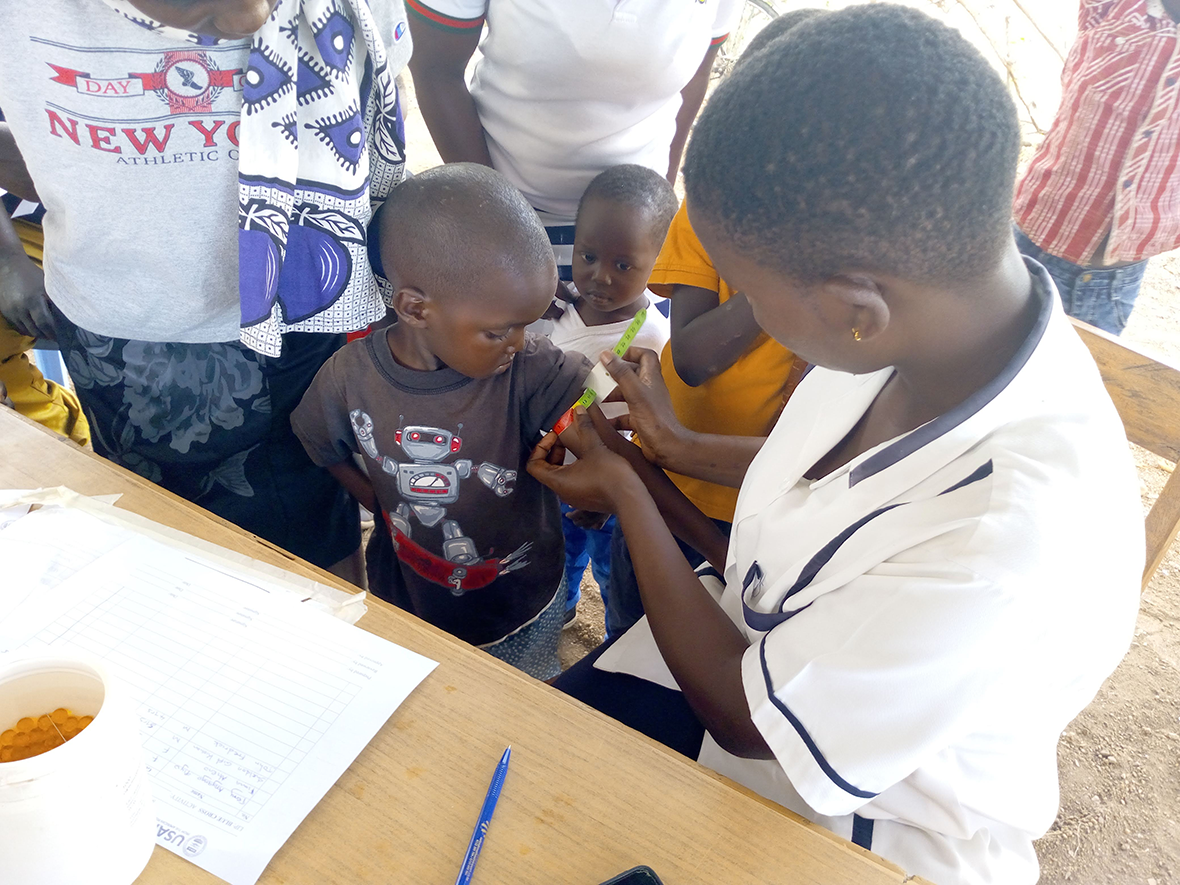
There are an estimated 2.6 million Orphans and Vulnerable Children (OVC) in Kenya, of whom 650,000 are orphaned by AIDS. More than one million households care for an orphan. In the absence of a coordinated multi-sectoral response, OVC are at risk of: (1) not knowing their HIV status; (2) delayed treatment; (3) economic difficulty due to caregiver illness and death; (4) family separation; and/or (5) situations that put them at greater risk of protection violations and HIV infection (school dropout, early marriage, risky behaviors).
MWENDO (Making Well-informed Efforts to Nurture Disadvantaged OVC) is a $70,390,253, five-year USAID funded project that targets OVC in 13 Counties in Nyanza, Western and Rift Valley. Catholic Relief Services (CRS) leads a consortium that also includes Maestral International and Family AIDS Care and Education Services (FACES). MWENDO aims to ensure children remain healthy, safe, stable and schooled by: addressing the social determinants of health to improve the wellbeing of children orphaned and made vulnerable by HIV; enhance the capacity of caregivers and communities to sustainably provide care and support to OVC; and strengthen institutional capacities of formal and informal structures to respond to child welfare and protection needs.
MWENDO’s holistic, child-focused, and family-centered approach sees child wellbeing as nested within household wellbeing, community resilience and its support to vulnerable children and strengthening of social services systems. Using approaches and tools validated through 4Children project, MWENDO uses comprehensive case management as the foundation and entry point for an evidence-based and informed program of interventions.The project supports Kenya in reaching the UNAIDS 90-90-90 targets by strengthening the HIV and social support system from the household to the national level and across systems and sectors, with a specific focus on protection, household economic strengthening, health and HIV, and the intersections between them. This draws directly on evidence that a multi-sectoral approach is the most promising and sustainable way to address HIV and child protection issues.
The project emphasizes on provision of graduation-focused, age appropriate services to OVC and their caregivers and strengthening the capacity of communities and government to provide coordinated services for OVC and their households. Through community-led sustainability planning, the project aimsto promote self reliance and resiliency of OVC households and communities.
PROJECT GOAL
Improved welfare and protection of children affected by HIV/AIDS in the target counties of Nyanza, Western and Northern Rift Valley.
Project Outcomes
- Increased access to health and social services for OVC and their families.
- Strengthened capacity of households and communities to protect and care for OVC.
- Strengthened child welfare and protection structures and systems for effective responses in targeted counties and sub-counties.